
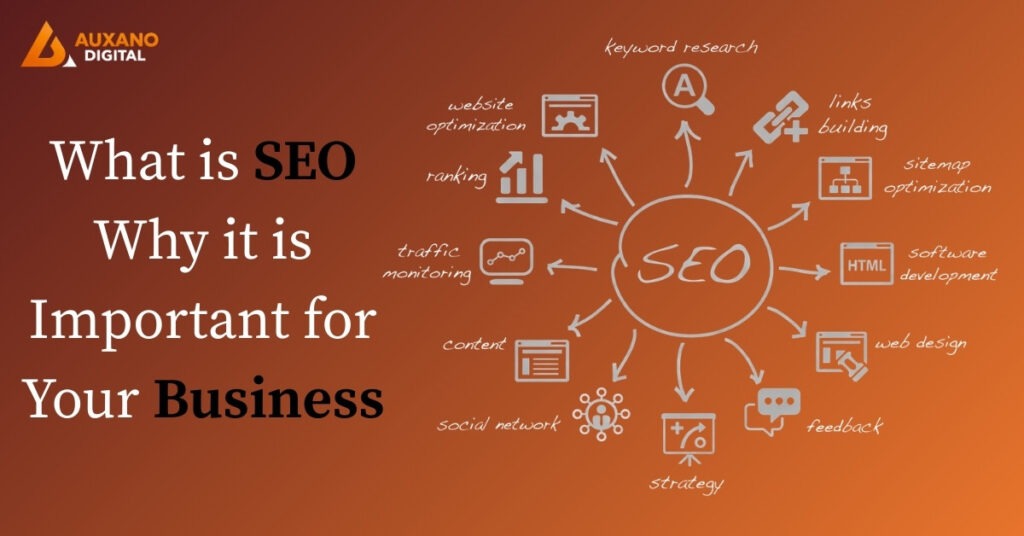
Search Engine Optimization (SEO) is an integral component of any successful digital marketing strategy. It’s the art of optimizing your website and content to appear on the search engine results pages (SERPs) for relevant queries, driving organic traffic and improving visibility.
In fact, SEO is the key to standing out in a crowded market. According to a study by Backlinko, the first organic result on Google has an average click-through rate (CTR) of 27.6%, compared to just 15.8% for the second position. Simply put, if your website doesn’t rank well, you could be missing out on a significant number of potential customers.
What is SEO and Why is It Important?
SEO is the process of optimizing your website and its content to improve visibility in search engine results, particularly Google, Bing and other search engines. With millions of websites competing for attention, SEO ensures that your website is the one users find when they search for information, services or products related to your business.
When SEO is done right, it has the potential to drive a large amount of high-quality, organic traffic to your site, which can significantly increase brand awareness, sales and customer engagement. A strong SEO strategy means your website ranks higher in search results, making it more likely for users to click on your content, leading to better conversion rates and business growth.
The impact of SEO extends beyond just increasing site traffic. By focusing on keyword optimization, on-page SEO and technical SEO, you can create an experience that aligns with what your customers are looking for, leading to higher satisfaction, repeat visits and improved sales.
How SEO Helps Your Business Grow
SEO is not just about optimizing a website for search engines, it’s about understanding what your customers want and creating content that meets their needs. Here is how SEO can directly impact the growth of your business:
1. Increased Organic Traffic
One of the most significant benefits of SEO is its ability to drive organic traffic to your website. When your website ranks higher in search engine results for relevant keywords, it naturally leads to more visitors. With millions of searches happening every day, even ranking for a handful of valuable search terms can attract a significant number of potential customers to your site.
2. Building Brand Credibility and Trust
When your website ranks high in search results, users are more likely to trust your business. High search engine rankings act as a form of social proof. People tend to trust brands that appear at the top of search results because they assume that Google’s algorithm has deemed these brands to be trustworthy and credible. SEO also includes elements such as optimizing your site’s user experience (UX), which fosters positive relationships with your audience, building trust in the process.
3. Cost-Effective Marketing Strategy
Compared to paid advertising, SEO services offer a highly cost-effective way to drive traffic. While paid ads (like Google Ads) can be expensive, especially in competitive industries, SEO allows you to drive organic traffic over the long term without continually paying for clicks. While SEO requires an initial investment of time and resources, the results are more sustainable, making it an excellent long-term strategy for growing your business.
4. Targeted Leads
SEO helps you attract highly targeted traffic. By targeting specific keywords and optimizing for user intent, SEO ensures that the visitors coming to your website are likely to be interested in what you offer. For example, if you’re a local restaurant, optimizing for keywords like “best Italian restaurant in [location]” can help you attract potential customers who are looking for exactly what you provide, increasing the likelihood of conversions.
5. Enhanced User Experience (UX)
Good SEO practices are closely aligned with good UX. Google favors websites that are easy to navigate, load quickly, and provide a seamless experience for users. By optimizing for both search engines and users, you improve your website’s usability, which can reduce bounce rates, increase engagement, and encourage users to stay on your site longer ultimately contributing to higher conversion rates.
6. Local SEO and Increased Visibility
For businesses that rely on local customers, such as restaurants, medical practices, or retail stores, local SEO is a game-changer. Optimizing your website and Google Business Profile for local search terms helps increase visibility in search results for users in your geographic area. By ranking in local search results, your business becomes more accessible to people nearby, leading to increased foot traffic, phone calls, and sales.
7. Competitive Advantage
SEO provides you with a competitive edge. With effective SEO strategies, you can outperform your competitors in search rankings, attracting more potential customers to your website. In industries where the competition is fierce, SEO can help you stand out from the crowd. By creating valuable content, optimizing your website for both users and search engines, and consistently improving your SEO efforts, you can outshine the competition and build a more substantial online presence.
8. Long-Term Results
While paid ads can deliver instant results, the effects fade once the campaign stops. On the other hand, the benefits of SEO are long-term. Once your website starts ranking for key search terms, you can maintain that visibility with regular optimization and content updates. SEO is an ongoing process, but it pays dividends in the long run by consistently driving traffic and increasing visibility.
The Role of AI in SEO
As technology continues to evolve, artificial intelligence (AI) is playing an increasingly significant role in SEO. AI tools can help streamline many aspects of SEO, from keyword research to content optimization. For example, AI can assist in analyzing search intent, improving content creation and refining on-page SEO. AI-powered tools can even predict keyword trends, giving businesses the upper hand in staying ahead of the curve and reaching their target audience with relevant content.
AI is also transforming the way search engines understand and rank content. Google’s RankBrain, an AI-powered algorithm, uses machine learning to understand the intent behind search queries, ensuring that content is highly relevant to users’ needs. As AI continues to evolve, businesses that leverage AI in their SEO strategies will have a competitive advantage, improving their content and ranking in search results.
Conclusion
SEO is a critical element in the digital marketing landscape. It helps your business gain visibility, drive organic traffic, build credibility and ultimately increase sales. By understanding SEO and implementing effective strategies, you can boost your business’s online presence and stay ahead of the competition.
With AI revolutionizing the way SEO works, businesses can now optimize their content and improve rankings more effectively than ever before. The combination of traditional SEO strategies and AI-powered tools offers businesses a powerful approach to attracting targeted leads and achieving long-term growth.